My Next Steps

Thriving during adversity

Chemo Treatment – Day 1 (5/13/2025) August 10, 2026

Filed under: First Things First — cstatenclark @ 9:39 am
Tags: , , , , , , ,

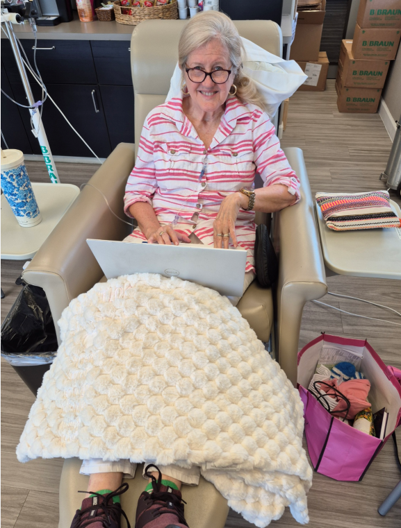
We arrived that Tuesday with multiple bags in tow, looking like we were moving into the oncologist’s treatment room. A big, shiny, pink bag held:

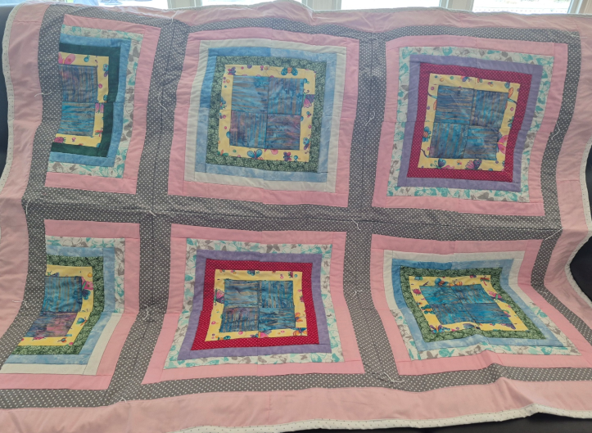
  • Fuzzy blanket gifted to me by Team Carol (College Station girlfriends and my frontline prayer warriors)
  • Pashmina, in case I needed a shawl to keep warm. Although it was summertime, the treatment room was cold!
  • Blank notebook and pen (to take notes on my experience, note tips for future sessions)
  • Laptop, charger block, headphones in case I was inclined to get online during the 3-4 hour treatment
  • Miscellaneous small bag (containing lip balm, healing oil, xylitol gum, reading glasses, hair tie)
  • Metal glass filled with lemon water

And then a small cooler containing:

  • Snacks (ham, boiled eggs, peanut butter and spoon)
  • Ice gloves and socks and hat (more on that later)
  • Frozen pads to keep ice gloves, socks, hat cold
  • Refill for my filtered water from home

First stop was drawing blood and running labs for the week – using my newly installed port for the first time! The port made this process (repeated weekly) very fast, painless, and easy on my vascular system. After that, we waited for lab results and then to see the medical oncologist prior to first treatment. He had no concerns with my bloodwork and so we were ready to get this party started.

Once I settled into one of the eight comfy recliners, the nurse tech measured my blood pressure and offered a warm blanket. The blanket was a sweet offer, but I opted for my fuzzy, plush blanket with “Team Carol” embroidered on it in pink. Next, NP injected an antihistamine and antacid into my port (to lessened potential side effects), then a steroid (dexamethosone, to also stave off allergic reactions and potential nausea). Next up was connecting the Herceptin immunotherapy for 90 minutes of slow drip, followed by another 90 minutes of Taxol (chemo) slow drip. In total, we were there from 9am to about 2pm. The nurses estimated that future weekly treatments wouldn’t take 5 hours due to no doctor visit and slightly faster drip.

My active imagination kept me on high alert the next 24 hours as I kept waiting for the other “shoe to drop” all day and into the night. But, praise God, no adverse side effects came. My appetite was normal and energy was surprisingly robust. Same the next day. The only noticeable change was that my arthritic ankles (due to a history of 5 surgeries) seemed to hurt LESS. Hmmm. Could it be the steroids they shot into me?


Educating Ourselves About Cancer and Treatments – April 2025 July 15, 2026

Filed under: First Things First — cstatenclark @ 11:32 am
Tags: , , , , , ,

My husband and I flooded our brains with information. Books, experience from cancer-survivors, YouTube, Google (yes, Google). Daily more cancer books arrived with each Amazon truck pulling into our driveway. It was our way of processing this episode of our life.

We weighed each book against the other. Versus YouTube videos from cancer-focused MD’s and PhD’s. Versus actual results of friends who survived treatment for various cancers. We considered the research sources (reputable, recent, tested, showing a similar pattern of effective results). I found great comfort “interviewing” ladies who specifically had survived breast cancer and gleaning their wisdom.

My brain allowed for differences in cancer type, exact diagnosis, stage, age, how recently they were treated, and other factors that presented a variable. But I also found that there were commonalities amongst all cancers.

  1. It’s rare that doctors know exactly what caused the cancer. Of course you can suspect obvious cancer-causing lifestyle choices like smoking, unhealthy diet, a career touching and breathing known carcinogens; and a small percent with a known genetic disposition. But after that, I felt like a detective digging through trash cans of what-ifs.
    • Was my water not filtered enough?
    • Did the non-stick pans and plastic spatulas leech foreign materials into my food?
    • Did I consume microplastics by cutting on plastic cutting boards and drinking from plastics bottles?
  2. Cells have mutated to rapidly divide and spread. Also, cancer do not die in the same lifecycle as normal cells.
  3. Typical treatment protocol recommends surgery, radiation, and sometimes chemotherapy. And there are many cocktails of chemo drugs (who knew?).
  4. Rarely are diet changes, supplement support, or complementary treatments recommended by the oncologists. Although there are boatloads of examples where those complementary treatments make traditional treatments more effective as well as more easily tolerated by the person with cancer, those complementary treatments are not part of the medical community’s standard of care.  So, doctors shy away from mentioning them. That doesn’t mean you shouldn’t use all available resources to research and implement complementary treatments.

The variations come from the following:

  1. Where (which organ) cancer is,
  2. how big the mass of cancer cells is,
  3. how aggressive is the growth of those cancer cells,
  4. has it spread (or is it contained to one area),
  5. are there special receptors involved (HER2, estrogen, progesterone, etc)?
  6. Can surgeons operate to remove the mutant cells? Do you want them to operate (and how much)?
  7. How effective is the standard cut-burn-poison protocol for your type cancer (i.e., chance of survival)?

While I fully trusted God to keep my mind, heart, emotions, and soul at peace no matter what future all this brought into my life, He also expects me to use the skills and the brain He’s gifted me with to discern options and a path forward. Next steps, right?


Adjusting Daily Activities – face, cooking, teeth, body (3/17/2025) June 29, 2026

Filed under: First Things First — cstatenclark @ 2:25 pm
Tags: , , , , , ,

As part of this new reality of treating cancer, I researched cancer-causing substances and exposures in my everyday life. Some common carcinogens are not ones I’m exposed to: tobacco, alcohol, radiation in excess, chemicals (heavy metals, asbestos, production environments, etc), tanning beds or excess UV rays. Something that made the list that have been part of my history are birth control pills and hormone replacement therapy (more on that in another post).

So I looked at the less obvious carcinogens and began to update dozens of products that I put ON and IN my body. A site called EWG.org helped identify carcinogen-free products (body soap, shampoo, conditioner, toothpaste, face cream, makeup, detergents, etc). Similar to when we began our Ketogenic eating habits and cleaned out a huge portion of our pantry (rice, wheat, corn, beans, pasta, potatoes, sugars, canola oil), I modified the contents of my kitchen and bathroom cabinets, shower caddy, and laundry room.

In the spirit of cutting out microplastics, our kitchen took on a new set of rules. We removed old non-stick pans and substituted both stainless or ceramic pans. We used cast iron for a bit, but found them harder to clean/care for. We swapped out all plastic left-over food containers for glass or stainless ones. Then replaced plastic utensils with wooden or stainless. Tossed the plastic cutting boards (ones we thought were so much more hygienic than wooden ones) and reverted back to wood boards. Here’s how to clean them properly.

In the bathroom, I confirmed that the Castille soap I used for showering is healthy, and I’ve always been careful about facial soap due to my sensitive skin. For soaps and lotions, think paraben-free and phthalate-free and typically without fragrance. Soaps using coconut oil, chamomile, avocado work well.

As for my shampoo and conditioner, I searched EWG.org again — always look for sulfate-free, silicone-free, and paraben-free. For body lotion, I like Medline Remedy. My make-up drawer got a hefty make-over (pun-intended) with even my Laura Geller foundation going in the trash (just because something is expensive doesn’t mean it’s healthy). I like the products from Well People and avoid products with silica in them.

Conventional wisdom always tells us all to stay sufficiently hydrated and I do that by carrying a lidded, metal insulated glass with me everywhere. Adding a slice of lemon helps make me thirsty for more water. And staying hydrated during this 12-month trek was crucial since my body would be battling so many treatment chemicals. So, another big change was to dig out our Berkey drip water filter system and use that water for everything (drinking, coffee, cooking, dog’s water, etc). The water from our faucets wreak of chlorine. We stopped using the Berkey a couple of years ago because we thought it was a pain in the neck to refill it multiple times a day – and the drip system is fairly slow. Our filter has double filters but still leaves some important minerals in tact. We love it! Another option is a Reverse Osmosis system. Those are great, but remove all the minerals, too…and might be cost-prohibitive for some people.


Am I going to die – Part 1? What did I do wrong? (2/20/2025) June 27, 2026

Filed under: First Things First — cstatenclark @ 1:17 pm
Tags: , , , , , ,

While I was becoming a student of cancer and all its treatments, my mind seemed to be bound by the central question, “why?” and “What did I do wrong?”.  My brain was the tether-ball tied to the pole of “why did I get cancer?”. I’ve heard that just before you die, you see glimpses of all the wonderful snippets of your life – a life recap of sorts. But as I mull this diagnosis with all its possible future ramifications, the slow-motion newsreel takes on a different theme. Every. Thing. That. I. Have. Ever. Done. Wrong.

  • Did I smoke, do drugs, drink to excess? No. No. No.
  • Is my diet terrible? No – especially for the prior 1.5 yrs it’s even been terrific (ketogenic – with no starches, no sugar, only meat, dairy, and non-starchy vegetables).
  • Do I have family history of breast cancer? – No, going back 3 generations.

Now to the hard part of the self-reflection.

  • Did I ever exercise enough? NO. Did I have a sedentary job most of my career? YES.
  • Did I eat processed food for much of my life (prior to the KETO diet)? YES.
  • Have I made poor choices in my life? YES.
    • The devil specifically leaned in on all those poor choices, hinting that perhaps my cancer was penance for those moments. What a jerk he is. I have long-ago reconciled those poor choices with God, repented and lead a new life.
  • Books like Cancer As A Metabolic Disease (which is a great book) can also fan the flame of past lifestyle environmental behaviors, like exposure to micro-plastics, fumes inhaled, chemical exposure, carcinogenic makeup/soap/lotion ingredients, and other environmental causes. Was I perfect? No. Was I the worst? No.
  • Then there’s the HRT (hormone replacement therapy), prescribed by my gynocologist after my full hysterectomy. Some studies show a link between HRT and breast cancer. And my cancer is hormone (estrogen and progesterone) positive.
  • And lastly, some studies show a link between women who don’t give birth or breast feed and breast cancer. That’s me.

Pause. Breathe. Time to focus on how do I resolve this medical issue? Not wallow in “what did I do wrong?”.